INTENTIONAL TEACHING
Emotional Wellness & Intentional Leadership
Supporting the emotional well-being of the adults who support children—because regulated adults raise regulated children.
You Care Deeply. That’s Not the Problem.
Educators don’t burn out because they don’t care.
They burn out because they carry emotional weight without support.
You are expected to stay calm, present, patient, and professional—while managing behavior, families, systems, and your own life.
Intentional Teaching exists to support your emotional wellness, not just your performance.
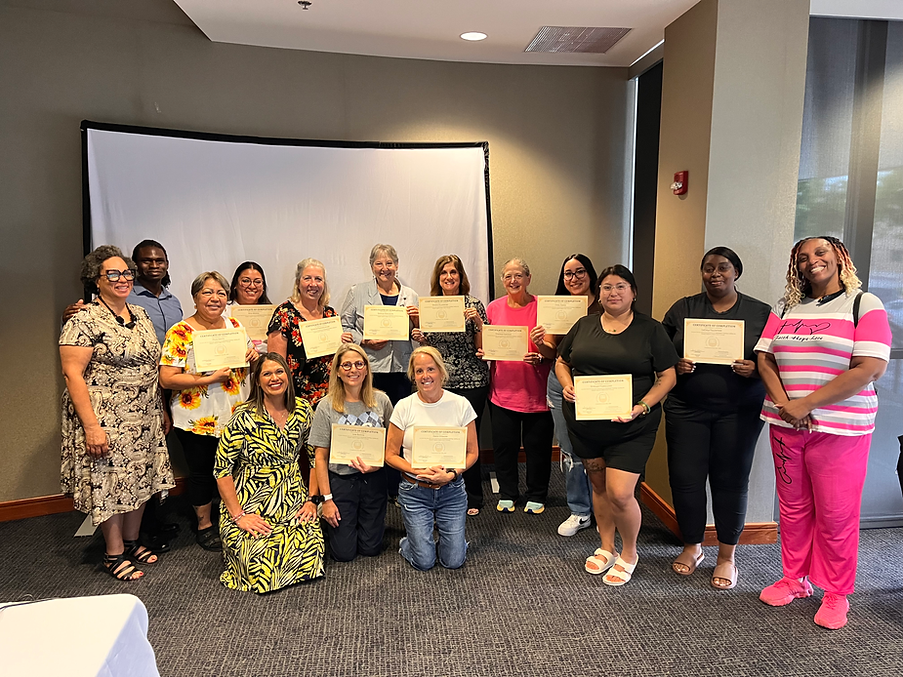
What We Do
Intentional Teaching provides professional development and training that strengthens emotional regulation, communication, and intentional leadership for educators and professionals working with children and youth from birth to 18 years old.
Our Core Pillars

Creating Positive
Learning Environments
Creating a positive learning environment begins outside the classroom. Educators learn how emotional regulation, balance, and inner peace directly impact how they show up with children. When adults take responsibility for their own emotional wellness, they create classrooms that feel safe, grounded, and responsive—without relying on control or burnout-driven discipline.
What this pillar teaches:
-
Emotional regulation starts with the adult
-
Balance and peace are professional skills
-
Your internal state sets the tone for the environment

Communication & Relationships
with Families
This pillar focuses on strengthening communication by separating personal emotion from professional responsibility. Educators learn how to stay grounded, stick to the facts, and keep the child’s well-being at the center of every conversation. Through accountability, affirmations, and clear communication tools, relationships with families become collaborative rather than reactive.
What this pillar teaches:
-
Leave personal emotions out of reports and conferences
-
Focus on observable facts and child-centered outcomes
-
Build accountability through self-awareness and clear language
-
Use affirmations to strengthen confidence and clarity

Understanding Child - Development & Learning
This pillar helps educators examine their own developmental foundations first—recognizing where gaps exist and where intentional work is needed. By understanding how early experiences shape emotional awareness, communication, and behavior across the lifespan, educators become more compassionate, grounded, and effective in their roles.
This work naturally expands awareness beyond the classroom, inviting educators to consider what families may be carrying and how unrecognized experiences can show up in children and teens. Through this lens, educators gain practical tools to support healthy emotional awareness, build intentional patterns, and guide themselves & the young people they serve toward regulation, reflection, and resilience—on purpose.
What this pillar supports:
-
Identifying gaps in personal and professional foundations
-
Understanding how experiences shape behavior at any age
-
Increasing empathy and awareness for families
-
Recognizing emotional patterns in children and teens
-
Teaching tools that build healthy emotional awareness and regulation